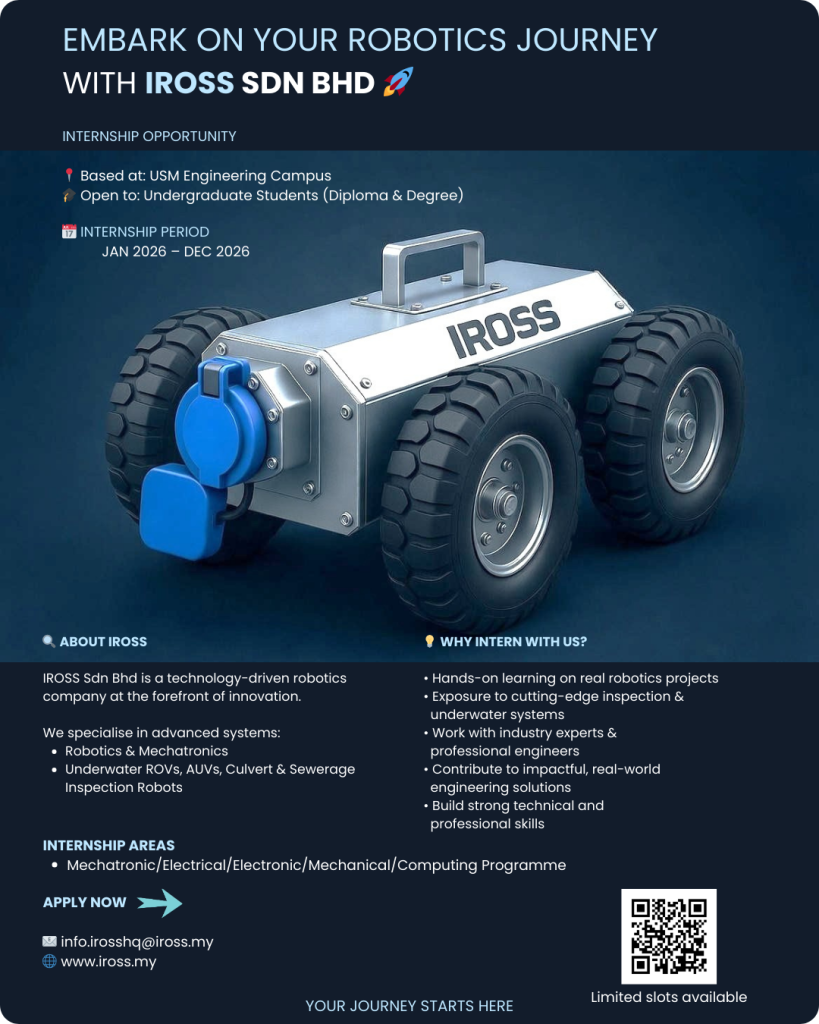
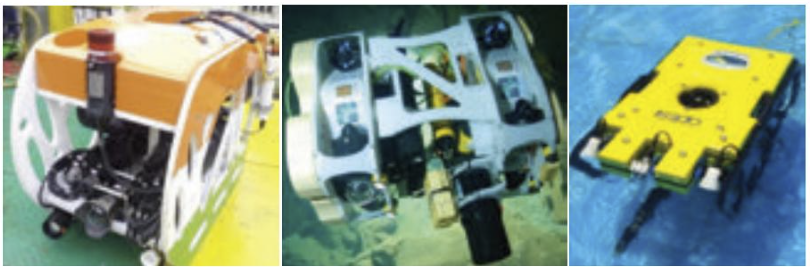
This article reviews control methods used in Micro Autonomous Underwater Vehicles (AUVs) and Remotely Operated Vehicles (ROVs), highlighting their design similarities and key differences in automation. It discusses widely used control techniques such as PID, optimal control, adaptive control, intelligent control, sliding mode control, and time-delay control, outlining their respective advantages and limitations in underwater environments. The paper concludes that selecting an appropriate control method depends on application requirements, environmental conditions, computational capacity, and hardware constraints, with the ultimate goal of improving efficiency, robustness, and power consumption in underwater operations.
Original Publication
This article is adapted from a published feature in JURUTERA, The Institution of Engineers Malaysia (December 2022). Please click on the link below to learn more.